
My Parent Has Dementia and No Power of Attorney: What Happens Now in North Carolina?
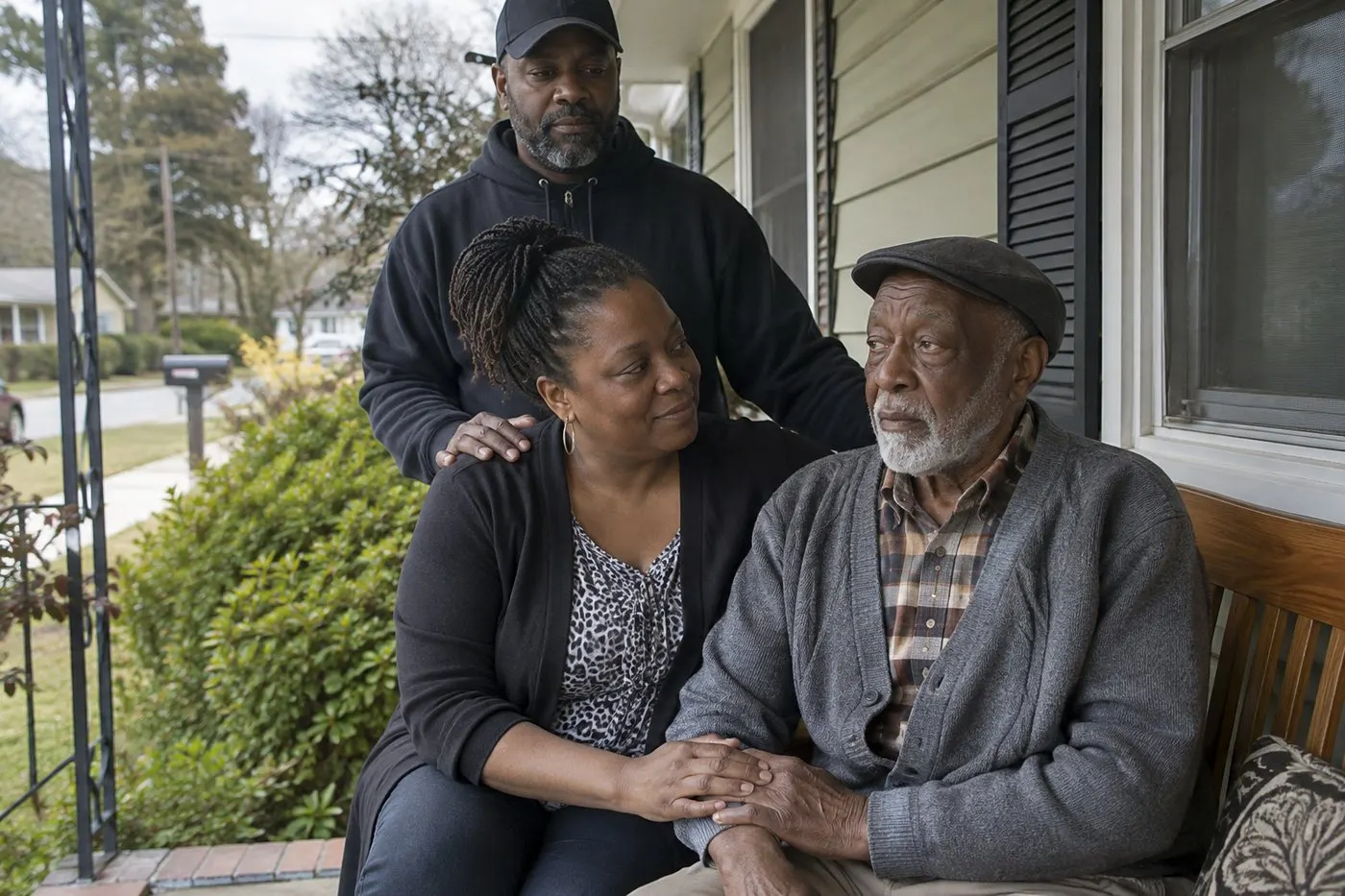
Your mother calls for the third time this afternoon, asking the same question about her doctor’s appointment. Last week she forgot to pay the electric bill, and yesterday a neighbor found her car parked two streets from home. Now her doctor has confirmed what you suspected: it’s dementia. As you begin looking into how you can help, you learn she never signed a power of attorney, and you’re not sure who has the legal authority to step in on her behalf.
If this sounds familiar, you are far from alone. North Carolina law does offer a way forward, but the right path depends on your parent’s current abilities, your family’s dynamics, and what needs to happen next. At the Law Office of Michael Paul, PLLC, we help families in Rolesville and across Wake County work through these decisions with care. Here’s what you should understand before you take your first step.
Can I Manage My Parent’s Affairs Without a Power of Attorney in North Carolina?
In most cases, no. Being a son, daughter, or even a spouse doesn’t automatically give you the legal right to manage someone else’s bank accounts, pay their bills from their funds, sell their home, or sign contracts on their behalf. Banks, retirement account custodians, and title companies generally want to see documented legal authority before they let anyone act for another adult. Without it, your family may find accounts effectively frozen at the very moment you need access most.
Medical decisions can work a little differently, since North Carolina allows family members to consent to some treatment in limited circumstances. That narrow exception doesn’t reach your parent’s finances or property, and it often leaves bigger questions unresolved, especially when relatives see things differently. Our team can help you understand where your family’s authority begins and ends.
Can Someone With Dementia Still Sign a Power of Attorney?
Sometimes, yes. A dementia diagnosis does not automatically mean a person lacks the legal capacity to sign documents. Dementia often progresses gradually, and many people in the earlier stages still understand what a power of attorney does and whom they want to trust. If that’s true for your parent, signing a durable financial power of attorney and a health care power of attorney (part of a broader set of advance directives) may allow your family to avoid court involvement altogether.
This is not a moment for downloaded forms. Capacity is a legal question, not just a medical one, and documents signed near the edge of capacity are the ones most likely to be challenged later by a sibling, a bank, or a court. When we meet with a family in this situation, Michael Paul takes the time to evaluate the circumstances thoughtfully and to support the validity of the signing. Because capacity can change, acting sooner rather than later matters.
What Is Adult Guardianship in North Carolina and When Is It Needed?
When a parent can no longer understand or sign legal documents, guardianship is often the path forward. In North Carolina, this is a formal court proceeding before the Clerk of Superior Court. The court must first find that your parent can no longer manage their own affairs, and then decide who should be appointed to make decisions on their behalf.
Why Is Guardianship More Involved Than Families Expect?
Guardianship is not a form you fill out at the courthouse. Your parent keeps significant legal protections throughout the process, the evidence must meet a high standard, and the court will look closely at whether a less restrictive option could work instead. The responsibilities also continue long after a guardian is appointed, with ongoing obligations to the court and real personal accountability for the person serving. Having the Law Office of Michael Paul alongside you, from the first conversation through those continuing duties, helps your family avoid delays and missteps.
Why Should Families Work With an Attorney Instead of Handling This Alone?
Choosing between new planning documents and guardianship, deciding who should serve, and determining how broad that authority should be all carry long-term consequences. A petition that overlooks less restrictive alternatives, misses procedural steps, or names a person other relatives object to can lead to delays, added costs, and strained relationships at an already emotional time.
These matters also rarely stay in one lane. Your parent’s home may eventually need deed work if it is sold or transferred, and any existing will or trust needs to be reviewed alongside the new arrangements. Because our firm handles estate planning, trusts, and deed work under one roof, we can see the whole picture and help you protect your parent’s dignity, finances, and wishes while keeping your family focused on what matters most: caring for the person you love.
How Can the Law Office of Michael Paul Help My Family in Rolesville and Wake County?
At the Law Office of Michael Paul, PLLC, we’re a family-run firm, and we understand how personal these situations feel. Michael Paul brings more than 25 years of legal experience to every conversation, and our team takes the time to listen, answer your questions patiently, and explain your options in plain language. We can help you determine whether your parent may still be able to sign planning documents, walk you through what a guardianship case would involve, and look at how the rest of your parent’s affairs fit together.
We serve families throughout Rolesville, Wake Forest, Youngsville, Louisburg, Knightdale, Raleigh, and Zebulon. If your parent has dementia and no power of attorney, you don’t have to figure this out alone. Call us at 919-951-7955 or schedule a consultation through our website to talk through your family’s situation. And if this experience has you thinking about your own future, we’re also glad to help you put a thoughtful estate plan in place so your loved ones never face these same questions.
This article is meant to give you a general understanding and isn’t a substitute for advice about your specific situation. If you’d like to talk through your circumstances, give us a call at 919-951-7955 or reach out through our website.